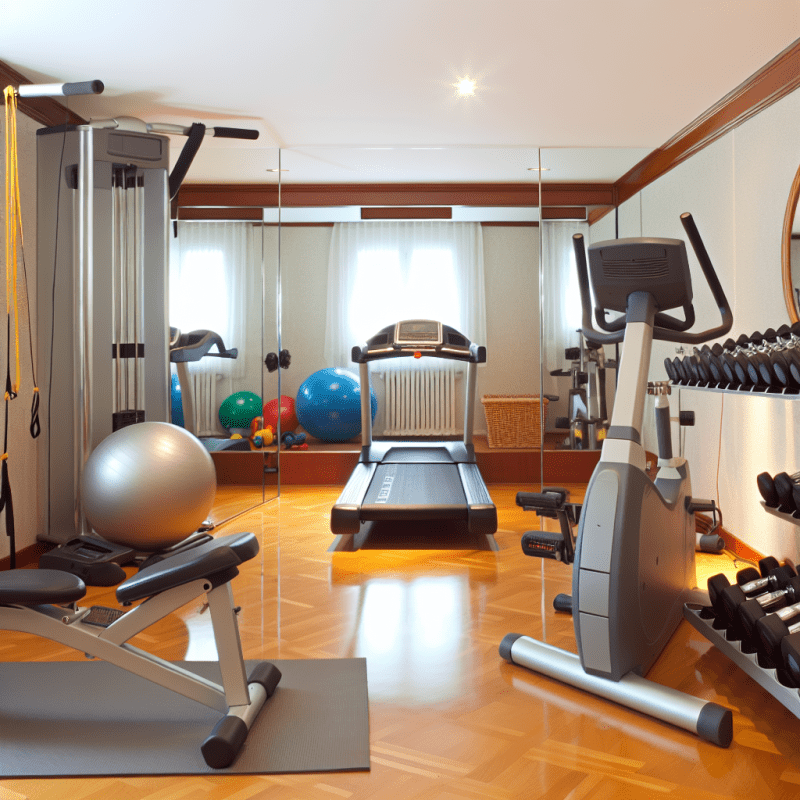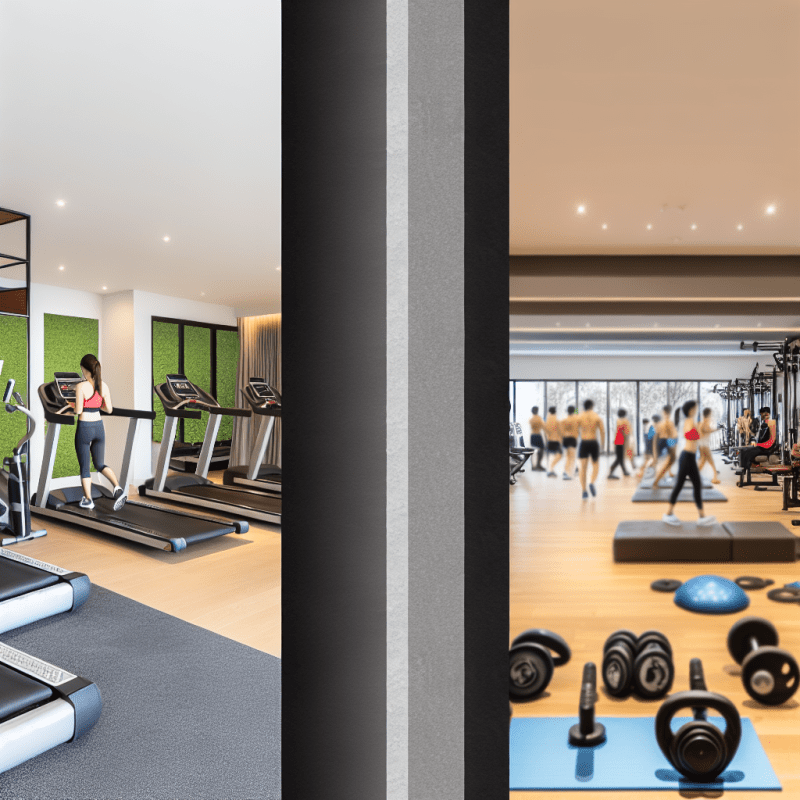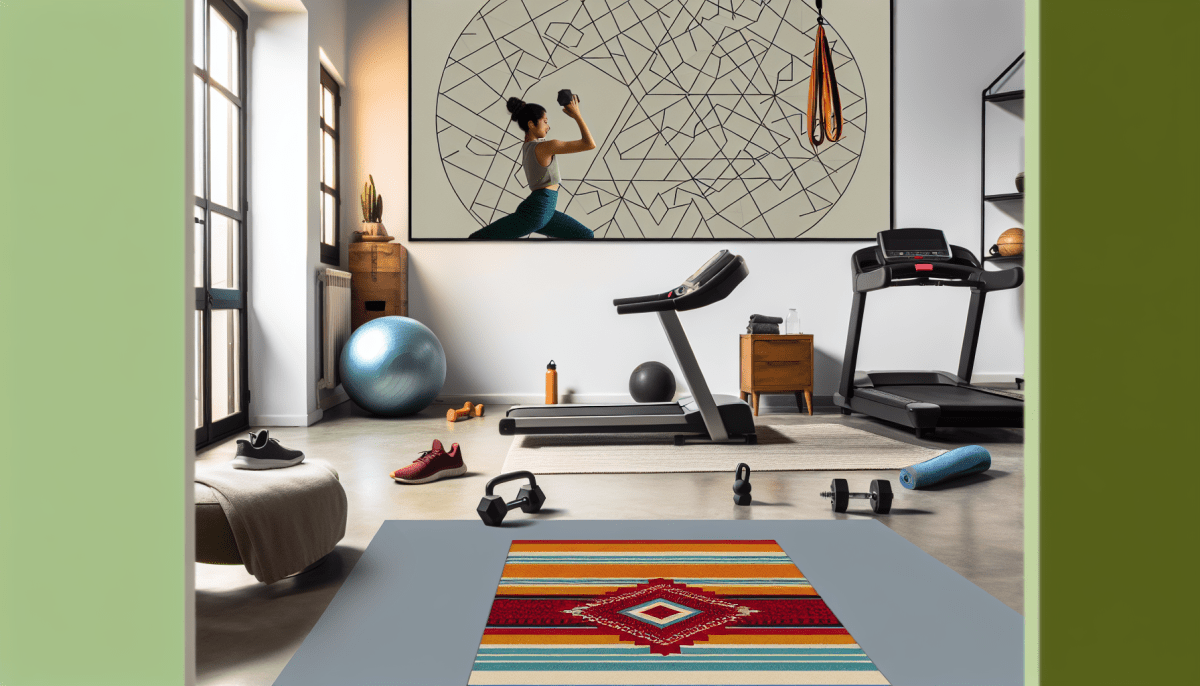
When you’re getting your sweat on at home, safety should always be top of mind. It’s easy to get lost in the groove of your workout, but taking a few precautions can keep you injury-free. Here are some simple tips to help you stay safe while you’re crushing those fitness goals.
First up, set up a clear workout space. Move furniture, toys, or anything that might trip you up out of the way. Make sure you have enough room to move freely. You don’t want to be dodging chairs or knocking over lamps mid-burpee!
Next, listen to your body. It’s great to push your limits, but if something doesn’t feel right, slow down or take a break. Getting sore during a workout is normal, but sharp pain or discomfort means it’s time to step back and reassess.
Don’t forget to warm up and cool down. These steps can make a big difference in how your body feels during and after a workout. A few minutes of stretching or light activity can help prevent injury and keep your muscles happy.
Lastly, stay hydrated! Keep a water bottle nearby and sip on it throughout your workout. Staying hydrated helps your body work better and can keep you energized. It’s key to make sure you’re giving your body what it needs while you move!
Create a Safe Space
Creating a safe space for your home workouts is super important. You don't want to trip over the coffee table while doing those burpees, right? Start by finding an area with enough room to move around. Clear out any clutter and make sure your workout zone is free of distractions.
Lighting matters too. A well-lit space helps you see what you're doing and avoids any unnecessary accidents. Natural light is fantastic, but if that’s not an option, invest in some good-quality lamps. Just make sure the lighting doesn’t create shadows that could lead to falls.
Don’t forget about flooring! If you're working out in a hard area, like tile or wood, consider using a yoga mat or exercise mat. It provides cushioning and grip, which is a big help during those high-energy sessions. Plus, it helps define your workout space, making it feel more official.
Lastly, keep your workout space stocked with all the essentials. Water, towels, and maybe even some motivational gear like a speaker for your favorite tunes all go a long way. A safe space is not just about avoiding injury; it’s about creating an environment where you feel comfortable and ready to push yourself!
Choose the Right Equipment
Choosing the right equipment is key to staying safe while working out at home. You don’t want to invest in something that’s not a good fit for your space or your fitness level. Think about what you enjoy doing. If you love cardio, consider a jump rope or a set of light weights. If strength training is your jam, resistance bands or dumbbells can go a long way.
Here are a few things to keep in mind when picking out your gear:
Don’t rush your choices. Take your time to find what feels right for you. You’ll want equipment that fits well into your routine and keeps you motivated. Sometimes, local stores let you test equipment, so don’t hesitate to check that out.
Remember, it’s not just about getting the fanciest gadgets. It’s about having what you need to workout safely and effectively. Focus on durable, easy-to-use items that you’ll actually enjoy using. That’s how you stay consistent and safe on your fitness journey.
Listen to Your Body
Feeling pain? That’s your body’s way of saying, “Hold on a sec!” It’s essential to differentiate between discomfort from a tough workout and real pain that could lead to injury. If you're feeling sharp pain, stop what you’re doing. You can always pick it up again after a small break or try a different exercise that doesn’t hurt.
Don’t forget about fatigue, either. If you’re feeling worn out, it’s okay to ease up. You don’t have to complete your usual routine every single time. Maybe modify the exercises or take an extra rest day if you need it. Your body needs time to recover, so listen closely to what it’s telling you.
Stay hydrated and make sure you’re fueling your body properly. Working out on an empty stomach or skipping water can drain your energy quickly. Pay attention to signs of dehydration or low energy. Grab that water bottle and take a sip when you need it!